Common Questions
The Ultimate Survival Guide: What to Do If Your Solar Company Goes Bankrupt
A step-by-step roadmap for homeowners whose solar company has gone out of business: handling warranties, financing, and maintenance.
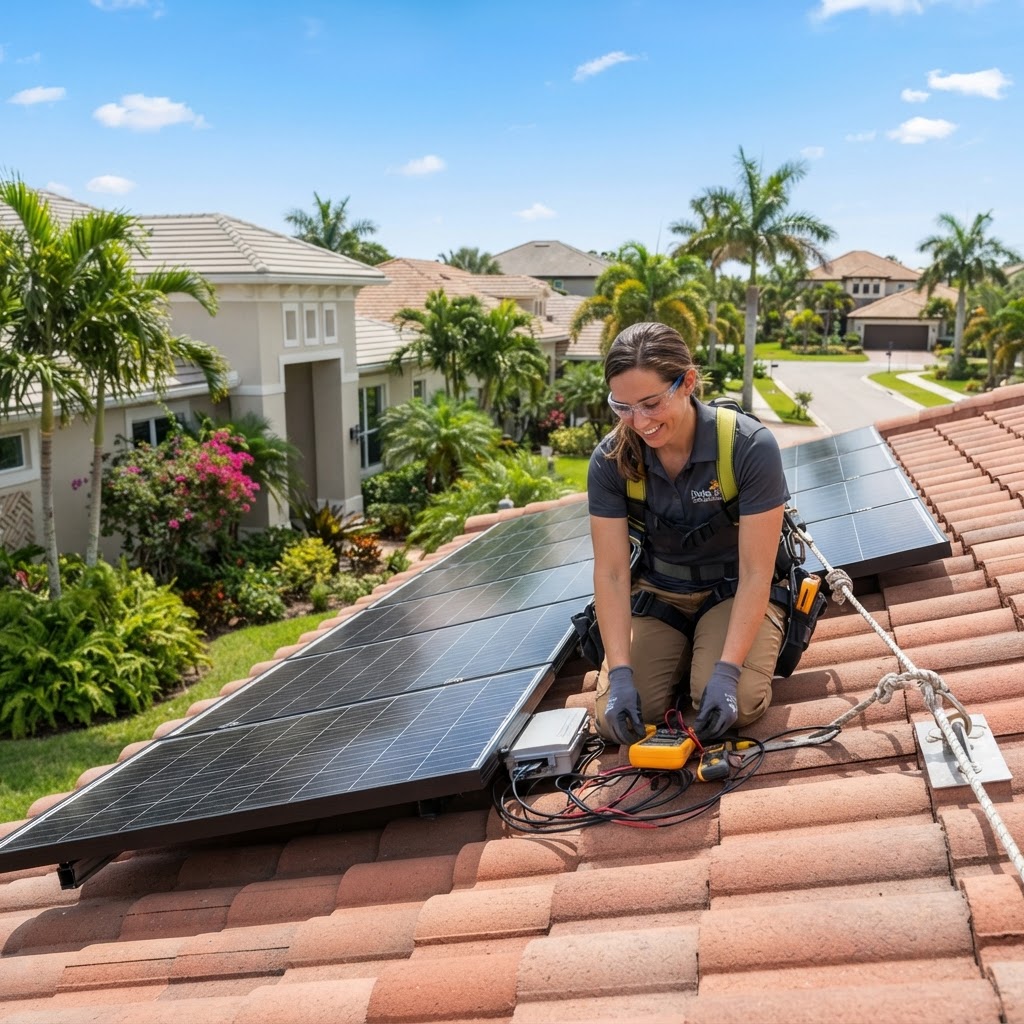
The Ultimate Survival Guide: What to Do If Your Solar Company Goes Bankrupt
The solar energy boom has transformed the energy landscape, allowing millions of homeowners to transition toward clean, renewable, and cost-effective power. However, the rapid expansion of the industry has brought a highly volatile market environment. In recent years, numerous high-profile solar installation and manufacturing companies have filed for bankruptcy, leaving thousands of customers stranded in an operational and financial vacuum.
Discovering that your solar provider has gone out of business can be an incredibly stressful experience. You likely have pressing questions: Who services my warranty? Who do I pay? What happens to my half-finished installation?
This comprehensive guide serves as an exhaustive, step-by-step roadmap for navigating the aftermath of a solar company bankruptcy. Whether you own your system or are under a lease/PPA, this manual provides actionable strategies to protect your investment and ensure your system continues to function for decades.
Understanding the Bankruptcy Landscape
To effectively respond, you must understand the business structure of the failed entity.
Chapter 11 vs. Chapter 7
- Chapter 11 (Reorganization): The company restructures under court supervision. It may emerge leaner or be purchased by another firm. Service might be disrupted, but contracts generally remain valid.
- Chapter 7 (Liquidation): The company ceases to exist. Assets are sold to pay creditors. Your provider will no longer answer calls or honor workmanship warranties.
Important Note: Your solar system is an ecosystem. Even if the installer fails, other pillars remain—the equipment manufacturers, the financing institution, and your local utility.
Step 1: Determine Ownership
Your legal rights depend on your ownership model. Identify your category:
- Customer-Owned (Cash/Loan): You own the equipment. Bankruptcy of the installer primarily affects your workmanship warranty. No entity can remove the hardware from your roof.
- Solar Leases: A third party owns the system. Your contract is an asset that will likely be sold to a new firm. Do not stop paying your lease, or you risk credit damage and liens.
- Power Purchase Agreements (PPA): A third party owns the hardware and sells you the power. Like a lease, this contract will be transferred to a new servicer.
Step 2: Document Everything
Do not assume digital portals will remain live. Compile a "Solar Crisis Folder" with:
- Installation contract, blueprints, and site reports.
- Utility Interconnection Agreements.
- Building permits.
- Equipment specification sheets (with serial numbers).
- Payment history and financing statements.
- Warranty documents.
Pro-tip: Login to your monitoring dashboard (Enphase, SolarEdge, etc.) and download all historical production reports immediately.
Step 3: Analyze Warranties
- Workmanship Warranty (Installer): If they liquidate, this is effectively void. You will need to hire an independent contractor for labor-related issues.
- Product Warranty (Manufacturer): These usually remain intact. Your panels (e.g., Qcells, REC, SunPower) and inverters (e.g., Enphase, SolarEdge) are warrantied by the manufacturer, not the installer. You can file claims directly with them.
Step 4: Managing Financial Obligations
- Solar Loans: Your loan is independent of the installer. Continue payments to avoid default. If the system was never finished, contact the lender immediately to report project abandonment.
- Leases/PPAs: Continue payments to the current servicer until you receive an official legal notice of transfer to a new entity. Verify the notice to avoid scams.
Step 5: Managing Incomplete Installations
If your project was abandoned:
- Stop Work: Do not touch electrical components.
- Permits: Check status with your municipal building department.
- File Claims: File an administrative claim as an "unsecured creditor" in the bankruptcy court.
- Recovery Funds: Check your state for a Residential Contractor Recovery Fund.
- Rescue Installer: Find a reputable, solvent local contractor to finish the work.
Step 6: Maintenance and Operations
You are now your own asset manager:
- Independent Monitoring: Contact the hardware manufacturer (e.g., Enphase/SolarEdge) to move your account from the installer’s fleet to a personal homeowner account.
- O&M Provider: Find a local firm that specializes in Operations and Maintenance (O&M). Look for NABCEP-certified professionals.
- Keep it Clean: Rinse panels safely from the ground. Avoid high-pressure washers.
- Monitor Utility Bills: Ensure your net metering credits are still hitting your utility account correctly.
Summary Checklist
- [ ] Identify Bankruptcy Type: Chapter 11 or 7?
- [ ] Clarify Ownership: Own, Lease, or PPA?
- [ ] Build Crisis Folder: Gather all original paperwork.
- [ ] Transition Monitoring: Unlink from installer’s account.
- [ ] Find O&M Contractor: Secure an independent service partner.
Still Concerned About Your Solar System?
If you have concerns about your existing system's performance or warranty status, we can help you evaluate your options and connect you with trusted local service partners.
Request a free solar consultation today.
External Resources:
Want these numbers for your own home?
Get a free, independent consultation with a Florida advisor — no pressure, no obligation.
Request my free consultation