Solar Costs
Is Solar Worth It in Florida in 2026? An Honest Breakdown for Homeowners
Honest, data-driven analysis of whether solar panels are worth it for Florida homeowners in 2026. Covers costs, savings, net metering, payback periods, and what's changed since the federal tax credit ended.
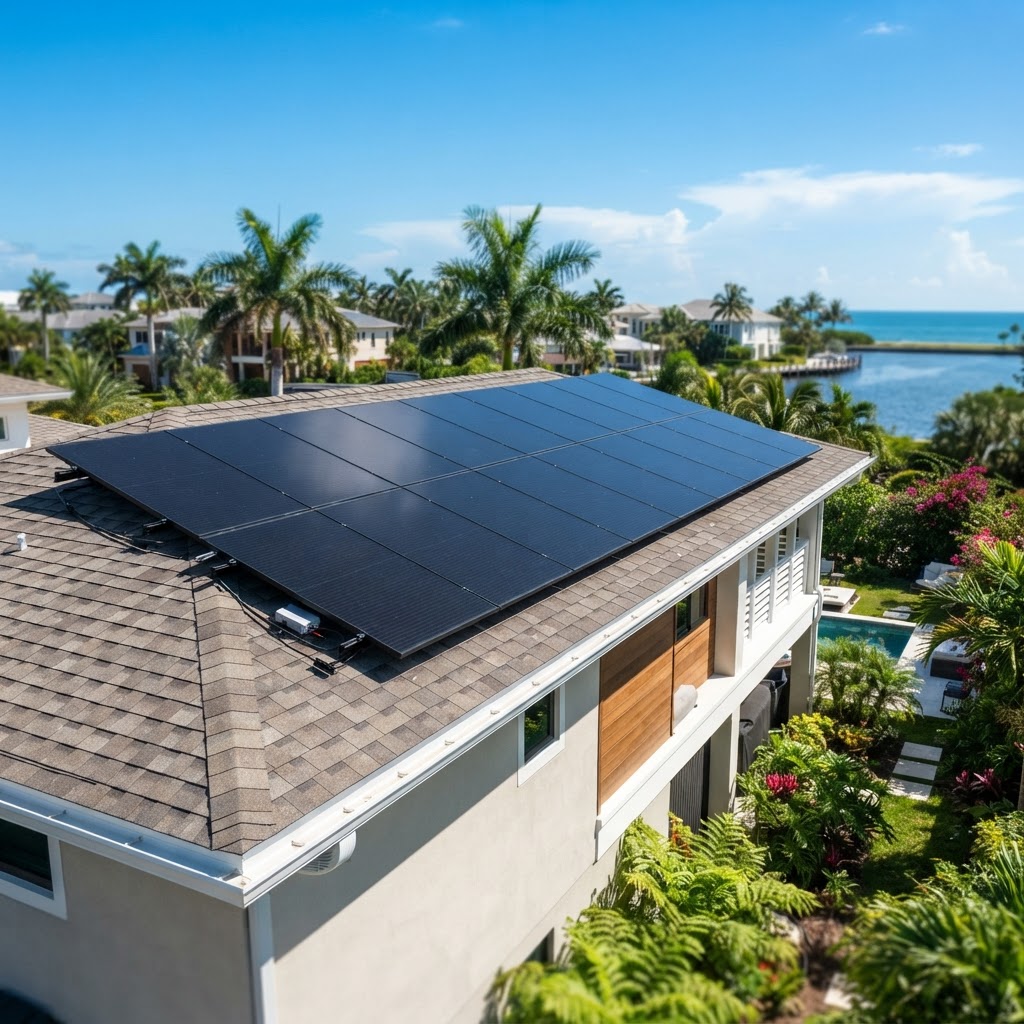
Is Solar Worth It in Florida in 2026? An Honest Breakdown
If you are a Florida homeowner watching your FPL, Duke Energy, or TECO bill climb every year, you have probably asked yourself: "Is solar actually worth it in 2026?" It is a fair question — especially since the federal 30% solar tax credit ended on December 31, 2025.
This article gives you a straight, numbers-first answer. No sales pressure. Just the facts you need to decide if solar makes financial sense for your Florida home.
For a detailed pricing breakdown, see our guide: Solar Panel Cost in Florida for 2026
Key Takeaways
- Solar is still worth it for many homeowners with electric bills over $150/month.
- Florida's 1:1 net metering remains the single biggest financial benefit.
- A typical 8kW system costs $18,000–$24,000 cash.
- Florida's 6% sales tax exemption and property tax exemption still apply.
- Solar is NOT worth it if your roof is old, heavily shaded, or your electric bill is under $100/month.
What Changed in 2026?
The federal 30% Residential Clean Energy Credit (Section 25D) expired for systems placed in service after December 31, 2025.
Cost Impact Comparison:
- 2025 (With 30% credit): $20,000 system = $14,000 net cost.
- 2026 (No credit): $20,000 system = $20,000 net cost.
Read our guide on how to lower your electricity bills to see how the change impacts your specific utility bill.
The Numbers: Does Solar Pay Off?
Florida's average electricity consumption is approximately 1,142 kWh per month, according to the U.S. Energy Information Administration.
Payback Periods by Scenario:
- Bill $250+/mo, good roof: 7–9 years (Strong investment)
- Bill $150–$250/mo, average roof: 9–12 years (Worth it)
- Bill $100–$150/mo, smaller system: 12–15+ years (Marginal)
- Bill under $100/mo: Not recommended
When Solar Is Worth It
Solar makes strong financial sense if you meet most or all of these criteria:
- You own your home in Florida.
- Your electric bill is $150/month or higher.
- Your roof is less than 15 years old.
- Your roof has minimal shade.
- Your utility offers net metering (all major FL utilities do).
Solar Battery and Hurricane Resilience
Solar panels alone do not provide backup power during an outage. You need a battery system for that. The Florida Building Code requires solar installations to meet strict wind-load standards (160+ mph), and properly installed panels have survived major hurricanes.
Frequently Asked Questions
Is solar worth it in Florida without the federal tax credit?
Yes, for many homeowners — especially those with electric bills over $150/month. Florida's 1:1 net metering and sales tax exemption help offset the loss of the federal credit.
Do solar panels increase home value in Florida?
Yes. Studies show that homes with owned solar systems sell for approximately 4% more on average. Florida's property tax exemption means this added value does not increase your property tax bill. The Florida Department of Revenue provides guidance on this.
The Bottom Line
Solar is still worth it in Florida in 2026 — but only if your specific situation makes the math work.
Request your free, no-pressure consultation at /consultation for a data-driven analysis of whether solar makes sense for your Florida home.
Want these numbers for your own home?
Get a free, independent consultation with a Florida advisor — no pressure, no obligation.
Request my free consultation